A Life Defined by Contrasts
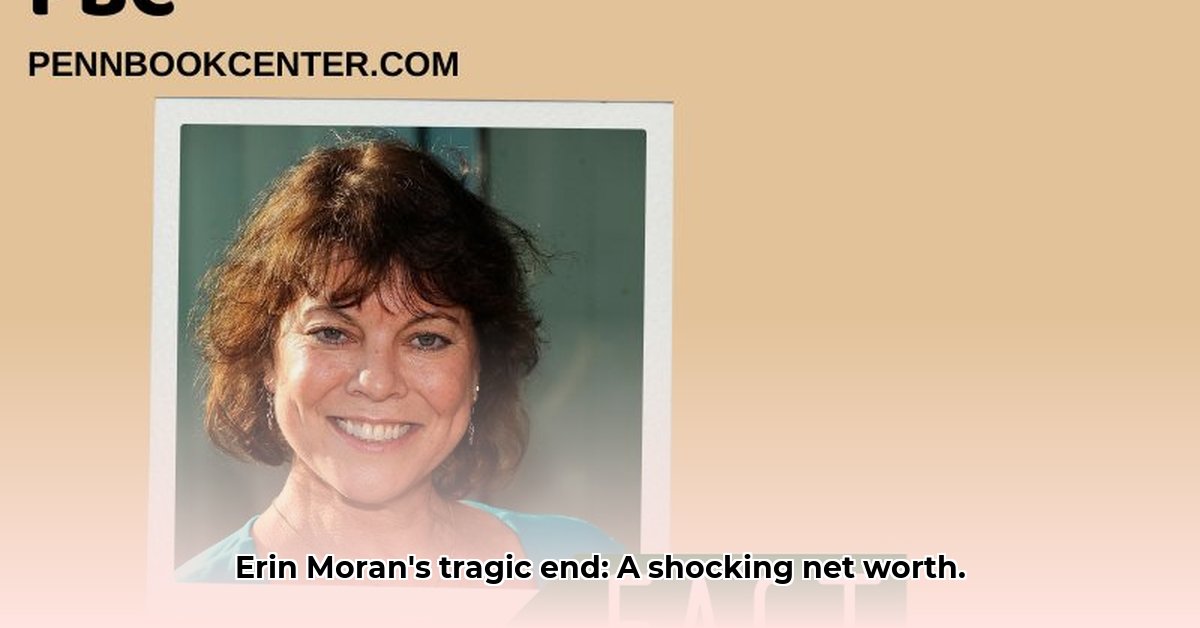
Erin Moran, forever etched in our memories as the endearing Joanie Cunningham from the iconic 1970s sitcom Happy Days, experienced a life marked by stark contrasts. While her youthful charm brought widespread recognition and financial stability for a time, her later years were tragically marred by financial hardship and personal struggles. While the precise figure of her net worth at her death remains elusive – estimates range dramatically, underscoring the ambiguity surrounding her finances – her story transcends a simple numerical value. For comparison, see Chyna's net worth. It serves as a poignant reminder of the challenges faced by many child stars and the often-overlooked need for comprehensive support in navigating the complexities of fame and fortune.
Erin's journey began auspiciously. Early roles in commercials and appearances on shows like Daktari laid the groundwork for her breakout role as Joanie. Happy Days' phenomenal success propelled her to stardom, and her salary during the show's long run provided a comfortable level of financial security. This period represented the zenith of her professional and financial success. However, this prosperity proved to be a fleeting phase in her life's narrative.
The transition to adulthood and the challenges of sustaining a successful career beyond the iconic role of Joanie Cunningham proved insurmountable for Moran. The competitive landscape of the entertainment industry, coupled with the difficulties of transitioning from child star to adult actor, contributed to a significant decline in her acting opportunities and subsequently, her income. This decline, coupled with legal battles and reported personal challenges, gradually eroded her financial stability. Reports of foreclosure and eviction paint a stark image of the precarious financial situation she faced in her later years. The wide disparity in reported estimates of her net worth at death – from a low of $10,000 to potentially as high as $50,000 – highlight the uncertainty and lack of transparency surrounding her financial affairs.
While the precise nature of her personal struggles remains largely private, it is evident that they played a significant role in the complexities of her later life. Reports suggest possible substance abuse and potential mental health challenges, challenges unfortunately not uncommon among individuals who face the intense pressures and scrutiny of early fame. The lack of consistent high-profile work, coupled with these personal battles, undoubtedly contributed to her financial instability.
Erin Moran's death at age 56 from complications of throat cancer was profoundly tragic. The absence of any illegal substances at the time of her death adds another layer to the already multifaceted complexity of her life, amplifying the notion that her struggles extended far beyond simple financial hardship.
Erin's story serves as a cautionary tale, highlighting the vulnerabilities faced by child stars. The dazzling allure of Hollywood often overshadows the very real risks associated with early fame and fortune. The absence of proper financial planning, adequate legal representation, and access to vital mental health support for young entertainers underscores the need for systemic change within the entertainment industry. Her tragic end underscores the importance of proactive measures to prevent similar tragedies in the future. The legacy of Erin Moran should not only be remembered fondly for her portrayal of Joanie Cunningham but also as a reminder of the human cost associated with fame, and the importance of providing comprehensive support to those who navigate this complex and often challenging landscape. Her story deserves to be a catalyst for positive change, ensuring that future generations of young actors receive the guidance and support they need to thrive, both professionally and personally.
The Stark Contrast: Happy Days Earnings vs. Later Income
Key Takeaways:
- Erin Moran's initial financial success from Happy Days was not sustainable in the long run.
- Her post-Happy Days income was significantly lower than her earlier earnings.
- Personal and legal challenges further complicated her financial situation.
The Pinnacle of Success: Erin's Happy Days Era
The period of Erin's involvement in Happy Days was undoubtedly the pinnacle of her career and financial success. While precise figures from that time aren't widely publicized, it's clear her salary was substantial during the show's peak years. This period represented financial stability, a far cry from the precarious financial situation she faced later in life. How did this period of financial security shape her subsequent years? The answer lies in the stark contrast between her early success and her later financial struggles.
The Post-Happy Days Years: A Difficult Transition
After Happy Days, sustaining consistent professional success and income proved a monumental challenge. While she continued to pursue acting roles, the opportunities were far fewer, leading to a significant decline in income. This decline, compounded by legal battles and financial mismanagement, led to a gradual erosion of her assets and overall financial stability. The significant difference between her earnings during Happy Days and subsequent years was substantial, leaving her increasingly vulnerable in later life. This transition highlights the difficulties many child stars face in maintaining successful careers beyond their initial breakout roles.
The Unfolding Tragedy: Personal Struggles and Financial Instability
A confluence of factors contributed to the tragic trajectory of Erin Moran's life. Beyond the financial challenges, reports suggest she faced considerable personal struggles. These, along with her declining career fortunes, likely exacerbated her financial difficulties, highlighting the fragility of success in the entertainment industry and the crucial need for supportive systems to safeguard the well-being of its young stars.